Timing Chain Symptoms: How to Know If Your Engine Is at Risk
The timing chain is one of the most critical components in any engine. It links the crankshaft to the camshaft(s), ensuring that valves open and close at precisely the right moment in relation to piston movement. When it works correctly, you never think about it. When it starts to fail — or worse, snaps — the consequences can be catastrophic and expensive.
At FixriteMotor Works in Mallow, Co. Cork, timing chain replacements are among the most common major repairs we perform. Here's what you need to know.
What Does a Timing Chain Do?
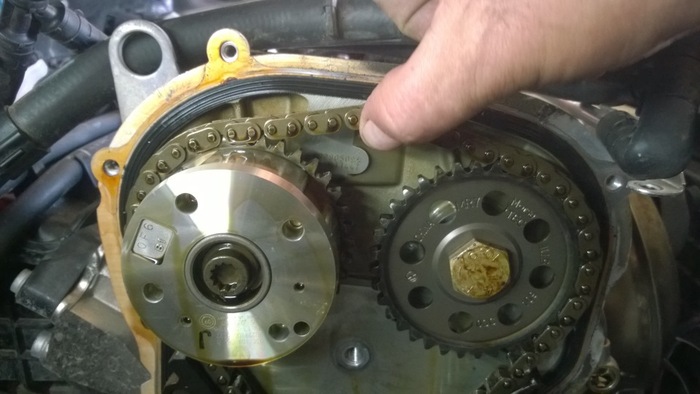
Unlike a timing belt — which is a rubber component requiring replacement at scheduled intervals — a timing chain is made of metal links (similar to a bicycle chain). It was designed to last the lifetime of the engine.
Unfortunately, on certain modern engines, particularly those with oil starvation issues or design flaws, timing chains can stretch, wear, or fail long before the engine reaches the end of its life.
Which Engines Are Most at Risk?
While any engine can develop timing chain problems, certain units are particularly notorious:
- BMW N47 (2.0d) — Rear-mounted chain, known for premature stretch. One of the most common timing chain failures in Ireland.
- BMW B47 (2.0d) — Improved design over N47 but still susceptible on high-mileage units.
- BMW N57/B57 (3.0d) — Chain stretch on high-mileage units.
- Ford 1.6 TDCI (Duratorq) — Chain tensioner failure is common.
- Jaguar/Land Rover Ingenium 2.0d — Timing chain and tensioner issues on higher-mileage units.
- Audi/VW 2.0 TDI (some variants) — Chain guide and tensioner wear.
5 Warning Signs of Timing Chain Problems
1. Rattling Noise on Cold Startup
This is the most tell-tale sign. A worn timing chain or stretched tensioner produces a distinct metallic rattling or clattering noise from the engine — usually loudest on cold startup and fading after a few seconds as oil pressure builds.
Do not dismiss this noise. On some engines (particularly the BMW N47), this rattle gives you a limited window before the chain fails catastrophically.
2. Engine Warning Light with Timing-Related Codes
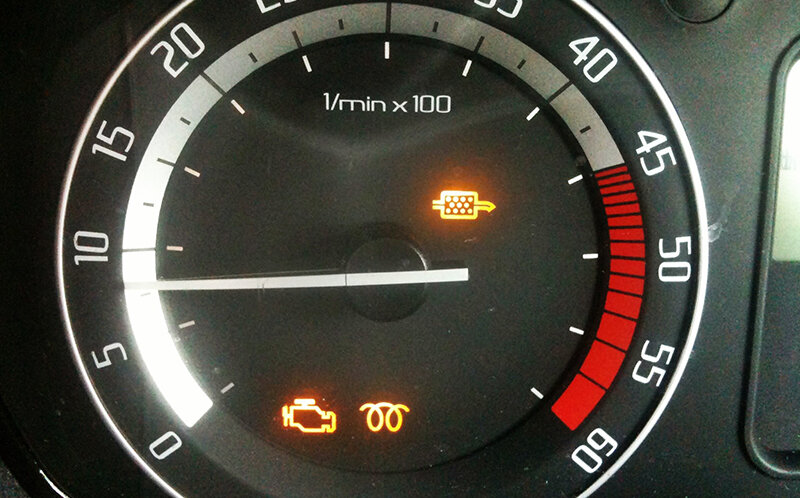
An engine management warning light accompanied by fault codes such as P0008, P0009, P0016, P0017 (camshaft/crankshaft correlation errors) strongly indicates timing chain stretch or guide wear. Get a diagnostic scan immediately.
3. Engine Misfires or Rough Running
As the chain stretches, valve timing becomes retarded — meaning valves open and close at the wrong time. This causes the engine to run roughly, misfire, or produce significantly less power than usual.
4. Poor Fuel Economy
Out-of-time valve events mean less efficient combustion. A noticeable increase in fuel consumption — without any other explanation — can sometimes point to timing chain wear.
5. Metal Particles in the Engine Oil
During an oil change, if your mechanic notices metal particles or sludge in the oil, this can indicate chain or guide wear. This is one reason why using a specialist for oil services on high-mileage diesel engines is important.
What Happens If a Timing Chain Snaps?
The consequences depend on whether the engine is an interference engine (the majority of modern engines).
In an interference engine, if the timing chain snaps:
- Pistons continue moving upward
- Valves are left open
- Pistons collide with open valves at high speed
- Result: Bent or broken valves, damaged pistons, scored cylinder walls
- Outcome: Complete engine destruction
The difference between a €1,500–€2,500 timing chain replacement and a €5,000+ engine rebuild can literally be a few hundred kilometres of driving.
Timing Chain vs Timing Belt: What's the Difference?
Timing Chain:
- Material: Metal links
- Expected life: Engine lifetime (ideally); modern engines on average around 120,000 km
- Failure warning: Rattle, misfire
- Failure consequence: Engine damage
Timing Belt:
- Material: Rubber
- Expected life: 60,000–120,000 km
- Scheduled replacement: Yes — mandatory
- Failure warning: Often none
- Failure consequence: Engine destruction
Timing Chain Replacement at FixriteMotor Works
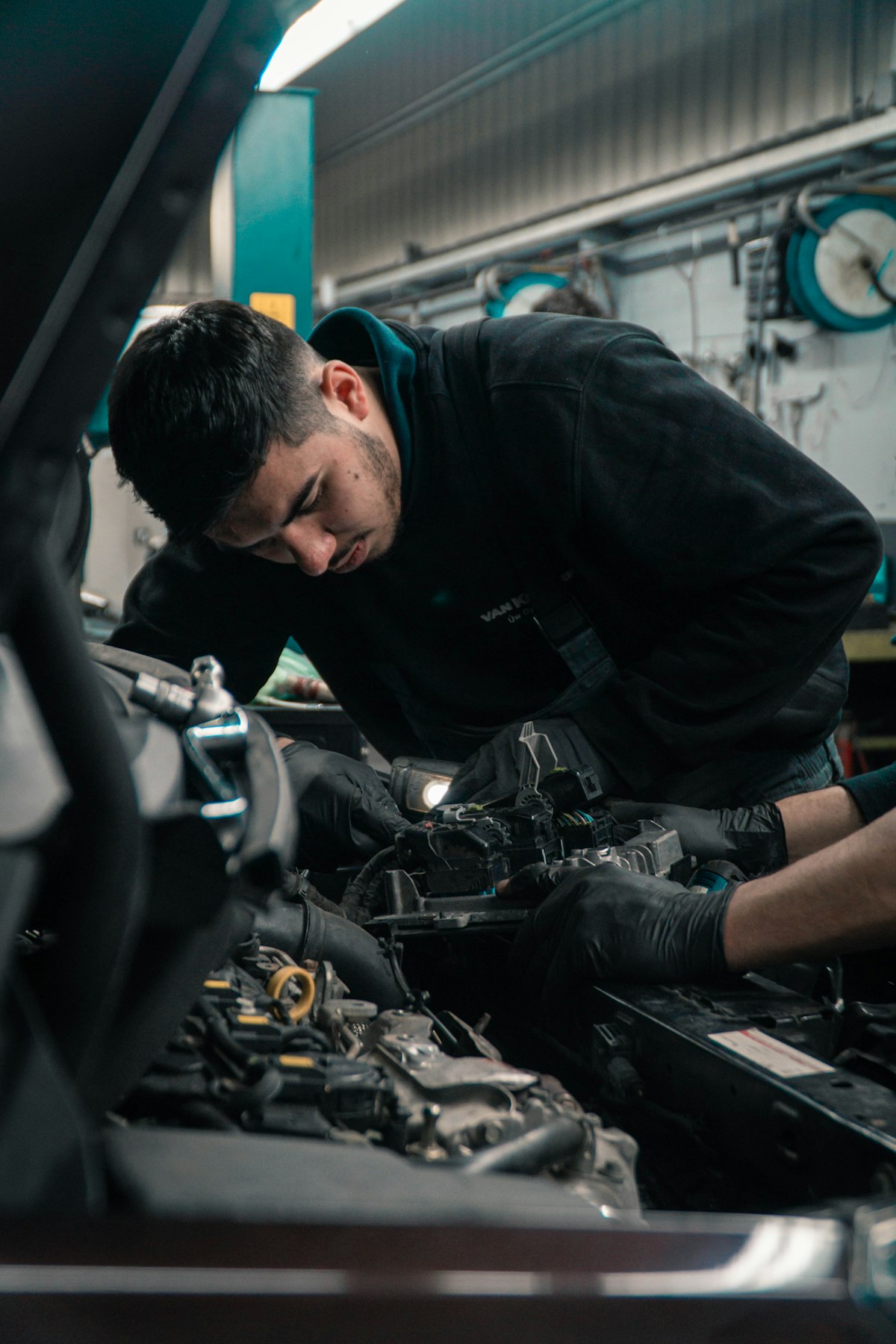
We specialise in timing chain replacements across a wide range of diesel and petrol engines. Our process:
- Full diagnostic scan — identify chain stretch codes and related faults
- Teardown and inspection — assess chain, guides, tensioners and sprockets
- Complete replacement — chain, tensioners, guides and sprockets replaced as a kit
- Oil system refresh — fresh oil and filter to protect the new chain from day one
- Post-repair road test — verify correct operation before handover
All timing chain work is covered by our 6-month warranty.
Contact FixriteMotor Works
If your engine is rattling on startup, or you've been told your timing chain needs attention, don't delay.
Call us on 087 340 0544 or visit our workshop in Mallow, Co. Cork. We serve customers from Cork city, Kerry, Limerick and across Munster.