EGR Valve Problems: Symptoms, Causes & Repair Costs in Ireland
If there's one component that causes more engine management warning lights on Irish diesel cars than any other, it's the EGR valve. At FixriteMotor Works in Cork, we see EGR-related faults on a daily basis — and it's no coincidence. Irish driving patterns are practically designed to cause EGR problems.
What Is the EGR Valve?
EGR stands for Exhaust Gas Recirculation. The system recirculates a proportion of exhaust gases back into the engine intake manifold, where they mix with fresh air before combustion. The purpose is to lower combustion temperatures, which reduces the formation of nitrogen oxide (NOx) emissions.
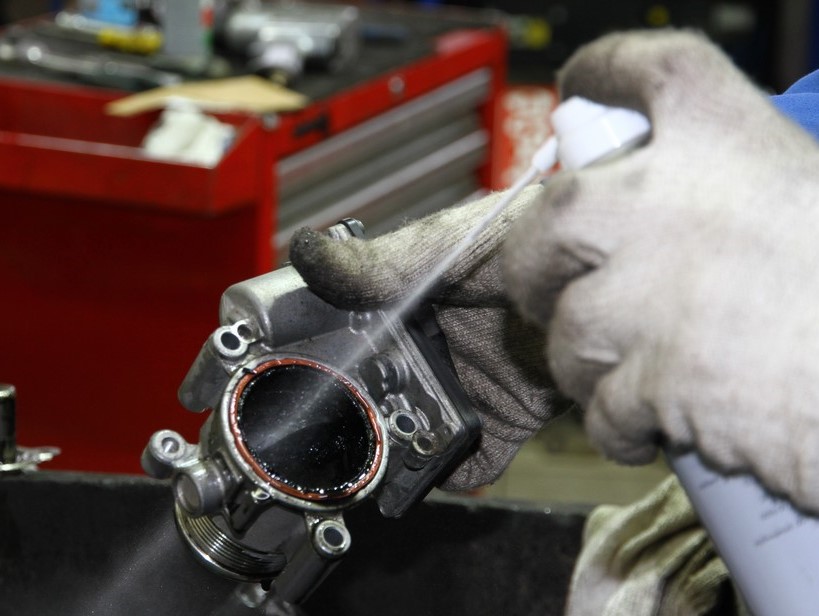
In principle, it's an effective emissions control strategy. In practice, it introduces a stream of hot, sooty exhaust gases into the intake — and over time, carbon deposits accumulate inside the valve and the inlet manifold.
Why Is EGR Failure So Common in Ireland?
The EGR valve accumulates carbon deposits fastest in two conditions:
- Short journeys — the engine never fully warms up, so deposits don't burn off
- Frequent cold starts — condensation and partially combusted fuel accelerate carbon build-up
Think about the typical Irish commute. Many drivers cover 10–20km to work, mostly in traffic, with frequent stops and starts. The engine rarely reaches full operating temperature. Repeat this five days a week, 50 weeks a year, and you have a perfect recipe for EGR failure within 100,000km — or even earlier.
EGR Valve Symptoms: What to Look For
Engine Management Warning Light
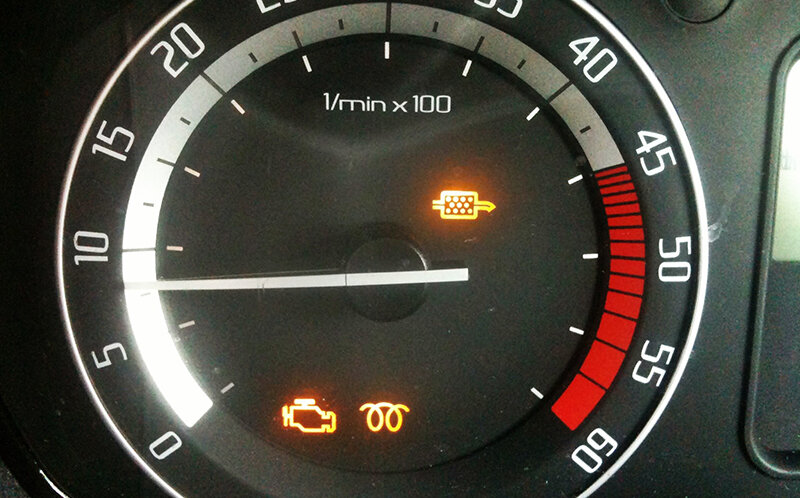
The most obvious sign — an amber EML on your dashboard, often accompanied by fault codes in the P0400–P0409 range when scanned.
Rough Idle
A stuck or faulty EGR valve upsets the engine's air/fuel mixture, causing a rough, lumpy idle — particularly noticeable when the car is stationary.
Loss of Power / Hesitation
Insufficient or excessive EGR flow affects engine performance. You may notice hesitation when accelerating or a general lack of power, particularly at low engine speeds.
Black Smoke from Exhaust
A heavily carbon-fouled intake system causes incomplete combustion, resulting in visible black smoke — especially under load.
Increased Fuel Consumption
When the EGR system is compromised, the ECU can no longer fine-tune the combustion process effectively, leading to noticeable increases in fuel consumption.
Smell of Fuel or Exhaust Fumes Inside the Car
In severe cases, exhaust gases can find their way into the passenger compartment through the ventilation system.
EGR Valve Cleaning vs Replacement: Which Is Right?
This depends on the severity of the build-up and the condition of the valve mechanism:
EGR Cleaning (chemical decarbonisation)
- Suitable for early to moderate carbon build-up
- Less expensive: typically €150–€300 including inlet manifold clean
- Good preventative measure at around 80,000–100,000km
EGR Valve Replacement
- Necessary when the valve mechanism itself has failed (stuck open or closed, electrical fault)
- Cost: €300–€700 including parts and labour, depending on vehicle
- Usually accompanied by an inlet manifold clean
At FixriteMotor Works, we assess the condition of the EGR valve and the extent of carbon deposits before recommending the appropriate course of action. We never recommend replacement if cleaning will solve the problem.
Which Cars Are Most Affected?
Virtually every modern diesel car with an EGR system can develop these issues, but we see particularly high rates on:
- BMW 1, 3, 5 Series (N47, B47 engines)
- Hyundai i20, i30, i40, Tucson (D4FD, D4FE engines)
- Mazda 6, CX-5 (SkyActiv-D 2.2)
- Land Rover / Range Rover (Ingenium engines)
- Volkswagen / Audi / Škoda (2.0 TDI)
- Ford (1.5, 1.6, 2.0 TDCI)
Can EGR Problems Damage the Engine?
Left untreated, yes — absolutely. A heavily blocked EGR system causes:
- Turbocharger damage from carbon ingestion
- Increased fuel dilution of oil, accelerating bearing wear
- Catalytic converter and DPF damage from unburnt fuel
- In severe cases, swirl flap failure and fragments being ingested into the engine
Early intervention prevents a €300 clean from becoming a €3,000 repair.
Prevention: How to Keep Your EGR Valve Healthy
- Take longer runs regularly — a 30-minute motorway drive at least weekly helps burn off carbon deposits
- Use quality engine oil and change it on time — sludge from old oil accelerates EGR fouling
- Have the EGR system inspected at each service if you primarily drive short distances
- Act immediately on warning lights — don't wait
EGR Valve Repair at FixriteMotor Works, Cork
We handle EGR valve cleaning and replacement on all major diesel engines at our workshop in Mallow, Co. Cork.
Our process:
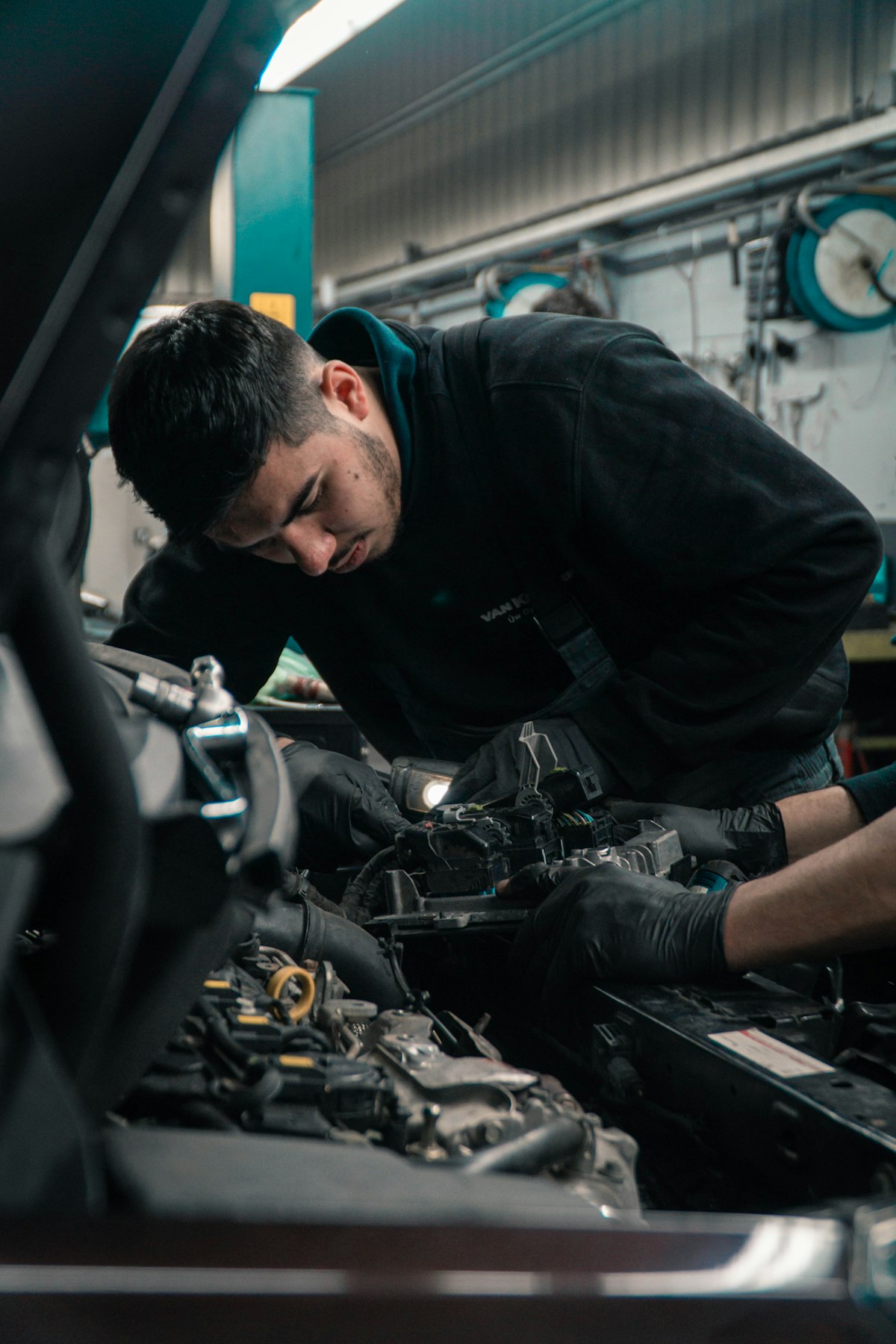
- Full engine diagnostic scan and fault code analysis
- Physical inspection of EGR valve and inlet manifold
- Chemical decarbonisation or valve replacement, as required
- Post-repair verification scan and road test
Call us on 087 340 0544 to book your car in. We provide a full written quote before any work begins.