Common Diesel Engine Problems in Ireland: Warning Signs You Should Never Ignore
Ireland's roads are dominated by diesel vehicles — and while diesel engines are built to last, Irish driving conditions create a perfect storm for certain recurring faults. Short urban journeys, frequent cold starts, and the stop-start nature of commuter traffic all take a heavy toll on modern diesel systems.
At FixriteMotor Works in Mallow, Co. Cork, we rebuild and repair diesel engines day in, day out. Here are the most common faults we see — and the warning signs that should send you straight to a specialist.
1. EGR Valve Failure — Ireland's #1 Diesel Problem
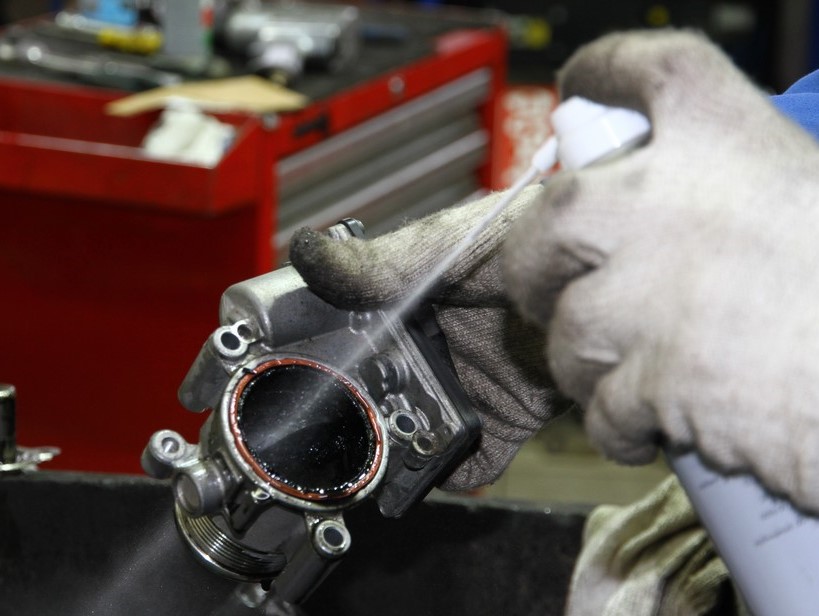
The EGR (Exhaust Gas Recirculation) valve recirculates a portion of exhaust gases back into the engine to reduce emissions. In theory, it's a clean solution. In practice — particularly in the Irish climate — it becomes coated in thick carbon deposits surprisingly quickly.
Why it's so common in Ireland: Short journeys. The majority of Irish drivers cover less than 20km per day in urban environments. The EGR system never gets hot enough to burn off deposits, and over time it seizes or blocks completely.
Warning signs:
- Rough idle, especially when cold
- Loss of power, particularly at low revs
- Black smoke from the exhaust
- Check engine warning light
- Poor fuel economy
What we do: Full EGR valve inspection, chemical cleaning or replacement, inlet manifold decarbonisation.
2. DPF (Diesel Particulate Filter) Blockage
The DPF is designed to capture soot from the exhaust. When the engine gets hot enough on a long run, it burns off the accumulated soot in a process called regeneration. The problem? Many Irish drivers never do a long run.
Warning signs:
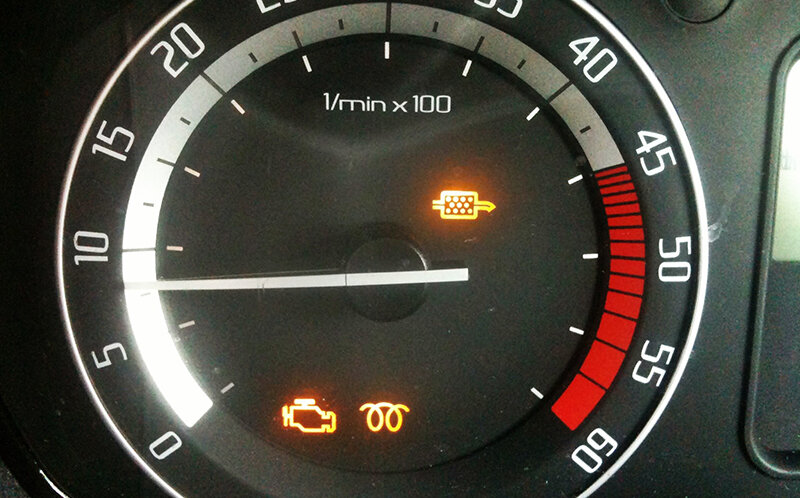
- DPF warning light (looks like a dotted exhaust pipe)
- Sudden reduction in power — engine enters "limp mode"
- Increased fuel consumption
- Strong smell from exhaust
Important: Do not ignore a DPF warning light. A partially blocked DPF can sometimes be cleared with a forced regeneration. A fully blocked DPF usually requires replacement — which is expensive.
3. Injector Seal Failure & Diesel Contamination of Engine Oil
This is one of the most damaging — and unfortunately common — problems we see. Diesel injector seals deteriorate over time and allow small amounts of diesel to leak past the seal into the engine oil.
Diesel in the engine oil dramatically reduces its viscosity and lubricating properties. If left unchecked, this leads directly to bearing failure and potentially a complete engine rebuild.
Warning signs:
- Engine oil level rising between services (a major red flag)
- Diesel smell when you remove the oil filler cap
- White smoke on cold start
- Rough running and poor throttle response
Action required: If your oil level is rising, stop driving the car and contact a specialist immediately.
4. Oil Pump Wear & Spun Big-End Bearings
Big-end bearing failure is the catastrophic end result of prolonged oil contamination or oil starvation. The bearings that support the crankshaft wear through and "spin" — causing a deep, rhythmic knocking noise from the bottom of the engine.
At this point, the engine typically requires a full rebuild — crankshaft regrind, new bearings, and a thorough inspection of all internal components.
Warning signs:
- Deep knocking or "diesel knock" from the bottom of the engine
- Low oil pressure warning light
- Sudden complete loss of power
- Metallic particles in the oil
5. Turbocharger Failure
The turbocharger is driven by exhaust gases and spins at up to 150,000 RPM. It relies entirely on clean, fresh engine oil for lubrication. When oil changes are neglected, or when injector seal failure contaminates the oil, turbo failure is often the result.
Warning signs:
- Significant loss of power (especially noticeable above 2,000 RPM)
- Blue or black smoke from the exhaust
- Whistling or whining noise from the engine bay
- Oil leak around the turbocharger
6. Timing Chain Stretch
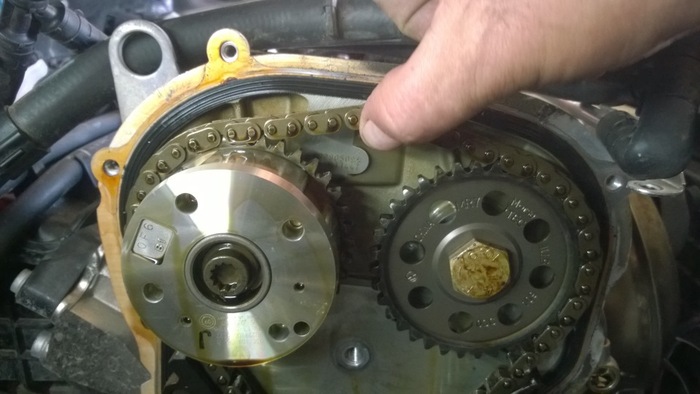
On certain engines — particularly BMW N47 and some Ford TDCI units — the timing chain is mounted at the rear of the engine and is notorious for stretching prematurely. When a timing chain fails, it can cause catastrophic valve damage and total engine destruction.
Warning signs:
- Rattling or clattering noise on cold startup (disappears after a few seconds)
- Engine warning light with timing-related fault codes
- Rough running or misfires
This is an urgent repair. Don't delay if you hear a rattle on startup.
7. Head Gasket Failure
A failed head gasket allows coolant to enter the combustion chamber or mix with engine oil. This is a serious fault that leads to overheating and, if ignored, warped cylinder heads and total engine failure.
Warning signs:
- White smoke from exhaust (sweet-smelling)
- Coolant level dropping with no visible leak
- Engine overheating
- Creamy, milky residue under the oil filler cap
- Bubbling in the coolant reservoir
What To Do If You Recognise Any of These Symptoms
- Stop driving if the engine is knocking, overheating, or showing critical warning lights.
- Check your oil level — if it's rising or smells of diesel, don't drive the car.
- Call a specialist immediately. Early diagnosis saves thousands.
FixriteMotor Works — 087 340 0544
We're based in Mallow, Co. Cork and cover all of Munster. Our diagnostic process identifies the exact fault before any work begins, and we provide a full written quote. No surprises.
Prevention: How to Keep Your Diesel Engine Healthy
- Service your car on time — never stretch oil change intervals beyond manufacturer recommendations
- Use the right oil — always use the correct specification (check your handbook)
- Take regular longer runs — a 20–30 minute motorway drive once a week helps regenerate the DPF and burn off EGR deposits
- Act immediately on warning lights — early intervention is always cheaper than delayed repair
- Choose a specialist for servicing — not every garage understands modern diesel systems