DPF Filter Problems in Ireland: Symptoms, Costs and What Really Works
The DPF (Diesel Particulate Filter) is one of the most debated components in modern diesel vehicles — particularly in Ireland, where driving patterns are among the worst possible for DPF health. At FixriteMotor Works in Cork, we deal with DPF-related issues regularly, and there is enormous confusion among drivers about what actually works and what doesn't.
This guide sets the record straight.
What Is a DPF and What Does It Do?
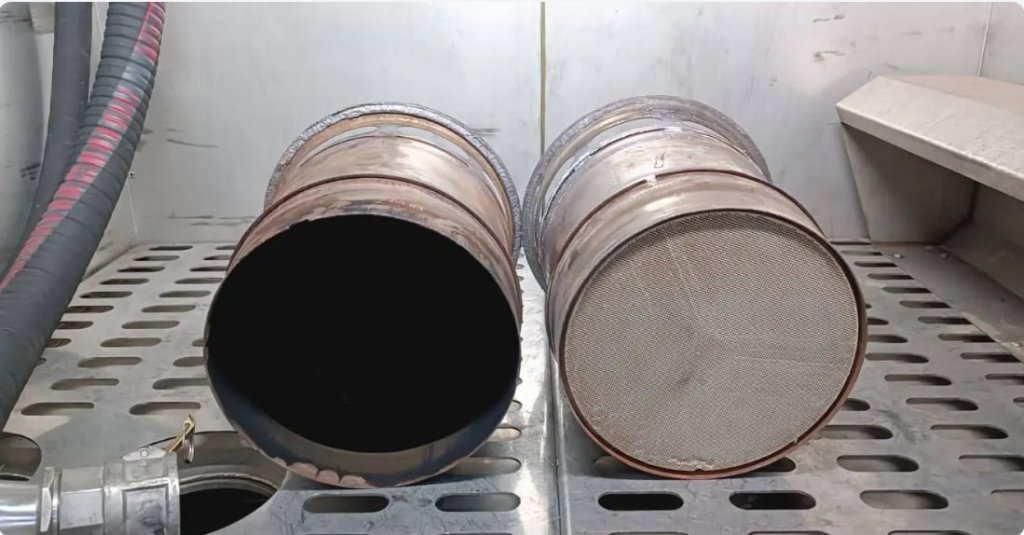
The Diesel Particulate Filter is a ceramic honeycomb filter fitted in the exhaust system, designed to capture soot particles (particulate matter) before they exit the tailpipe. EU emissions legislation has required DPFs on new diesel cars since Euro 5 (roughly 2009 onwards).
Over time, captured soot accumulates inside the filter. The DPF must periodically burn off this soot in a process called regeneration.
Two Types of DPF Regeneration
Passive Regeneration
Occurs automatically during sustained high-speed driving (motorway speeds, typically above 60kph for 20+ minutes). The exhaust gets hot enough to combust the soot naturally. No driver intervention required.
Active Regeneration
When soot loading reaches a threshold and passive regen hasn't occurred, the ECU triggers active regeneration — injecting extra fuel to raise exhaust temperatures and burn the soot. This typically requires the car to be driven at constant speed for 15–30 minutes.
The problem in Ireland: Most Irish diesel drivers never complete a successful regeneration cycle. Short commutes, urban driving, and frequent cold starts mean the exhaust never gets hot enough — and active regenerations are interrupted before completion.
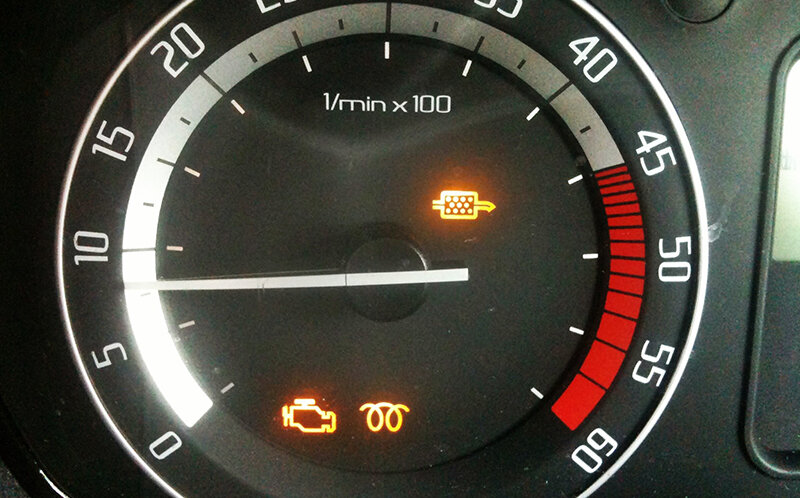
DPF Warning Light: What Does It Mean?
Stage 1 — DPF Light (amber)
Soot loading is high. The system is requesting regeneration. Take the car for a 30-minute motorway run — drive at 60–70kph in a high gear. This may clear the light.
Stage 2 — DPF Light + Engine Management Light
Soot loading is now critical. A forced regeneration by a specialist (using diagnostic equipment) may still be possible. Book a garage appointment immediately.
Stage 3 — Multiple Warning Lights + Limp Mode
The DPF is fully blocked. A forced regeneration is no longer possible. The DPF requires professional cleaning or replacement. Do not continue driving the car.
DPF Symptoms: What You'll Notice
- DPF warning light on dashboard
- Engine enters limp mode (severe power reduction — often to 30kph maximum)
- Increased fuel consumption
- Strong sulphur/exhaust smell from the vehicle
- Engine stalls when coming to a stop (in severe cases)
- Increased engine oil level (from repeated failed active regenerations injecting extra fuel)
What Actually Fixes a Blocked DPF?
What Works:
Forced Regeneration (Specialist Equipment) A forced/active regeneration performed using professional diagnostic equipment can clear a partially blocked DPF. This requires the vehicle to be driven in a controlled manner while the diagnostic tool manages the process. Not all garages have the capability or knowledge to do this correctly.
Professional DPF Cleaning For more severely blocked DPFs, specialist off-car cleaning services can restore flow rates. This is significantly cheaper than replacement.
DPF Replacement For fully melted, structurally damaged, or non-cleanable DPFs, replacement is the only option. Genuine OEM units are expensive (€800–€2,000+), but are the only permanent solution.
What Doesn't Work:
DPF Cleaning Additives Bottle additives added to the fuel tank have minimal effect on a blocked DPF. They may slightly assist passive regeneration on a lightly loaded filter but will not clear a blocked filter.
Long Motorway Drives Alone (when blocked) Once a DPF is beyond Stage 1 loading, a motorway drive will not clear it. Professional intervention is required.
Ignoring It A blocked DPF puts back-pressure on the entire engine. Continued driving causes turbocharger damage, EGR system damage, increased oil dilution, and can lead to engine damage. Don't ignore the light.
DPF Removal: The Legal Reality in Ireland
DPF removal is illegal in Ireland for road-registered vehicles. Under Irish law (Road Traffic (National Car Test) Regulations), a vehicle with a DPF removed will fail the NCT. Garages that offer DPF removal are also operating illegally.
Don't be tempted by this apparent "solution" — the NCT failure risk, increased emissions, and legal exposure are not worth it.
DPF Repair Costs in Ireland
- Forced regeneration (diagnostic): €150–€300
- Professional DPF cleaning (off-car): €250–€500
- DPF replacement (OEM): €800–€2,000+ depending on vehicle
How to Prevent DPF Problems
- Take regular longer runs — at least once a week, drive at motorway speeds for 20–30 minutes
- Check your oil level — oil contamination from failed regens worsens DPF problems
- Service your car on time — a clean, healthy engine produces less soot
- Reconsider a diesel if you exclusively drive short urban journeys — modern petrols or hybrids may be more appropriate
DPF Repair at FixriteMotor Works, Cork
We have the diagnostic equipment and experience to correctly assess DPF condition and recommend the most appropriate — and cost-effective — solution.
Call 087 340 0544 or book online. Based in Mallow, Co. Cork — serving all of Munster.